
When to Question “Everything Looks Fine” on Your Labs
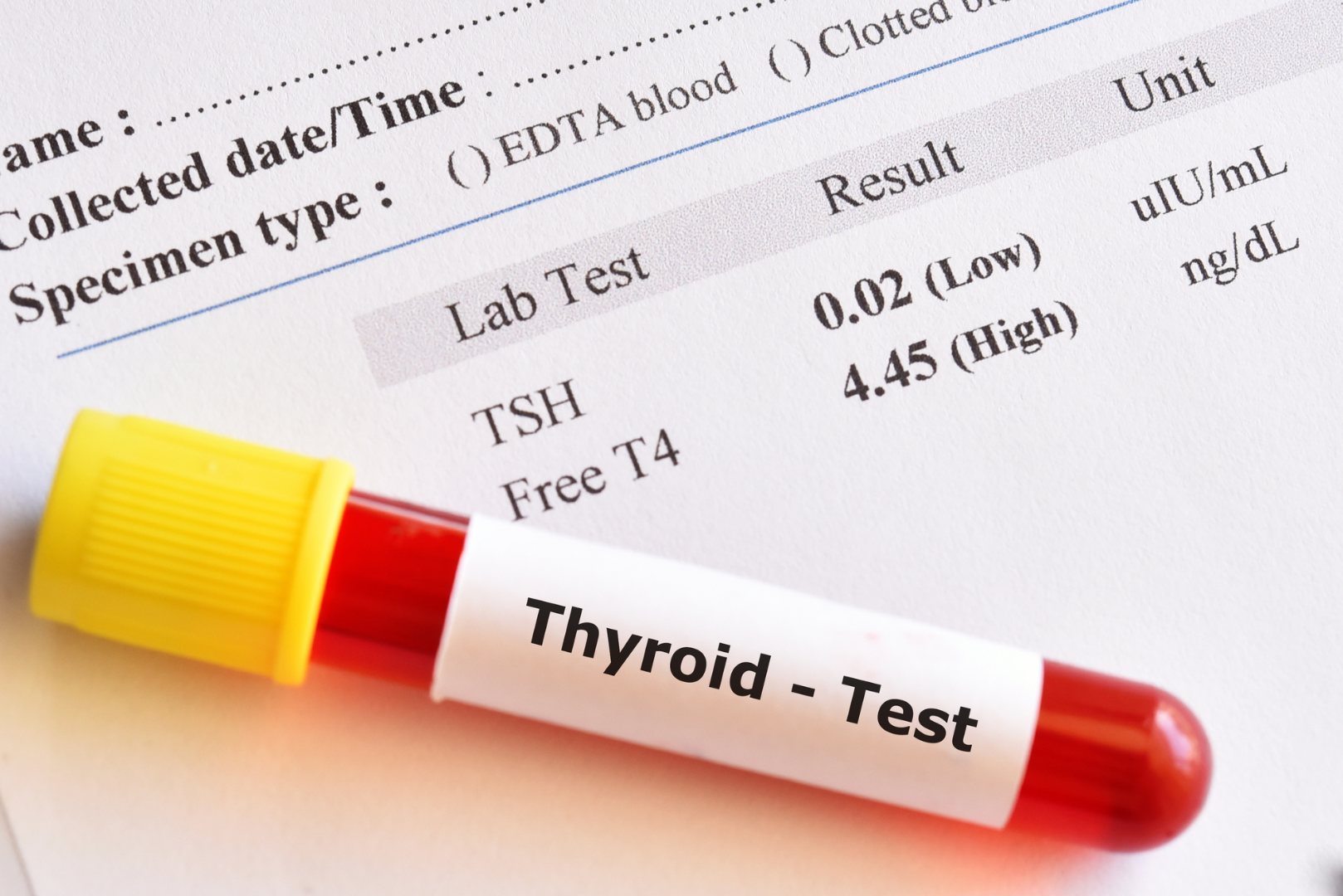
If you’ve ever walked out of an appointment thinking, “My labs are fine, but I feel anything but fine,” you’re not alone.
You’re told your blood work looks normal. Your thyroid, hormones, and basic panels are “reassuring.” Yet you’re still dragging yourself through the day, fighting brain fog, gaining weight for no clear reason, or feeling like your mood and cycles are all over the place.
At some point, it’s reasonable to pause and ask:
If everything looks fine, why do I feel so off?
This isn’t about distrusting your doctor. It’s about understanding when “everything is normal” really means “we haven’t looked deep enough yet.”
Red flag #1: Your symptoms are real and persistent
Lots of things can cause a bad week. But when you’ve been feeling off for months (or years) that’s different.
Pay attention if you notice patterns like:
You wake up tired, no matter how much you sleep.
Your brain feels foggy or you can’t focus like you used to.
Your weight is creeping up, or you can’t lose it even with effort.
Your hair is thinning, your skin is drier, or you’re cold all the time.
Your cycles have changed (heavier, more painful, irregular) or your PMS is worse.
Your anxiety, irritability, or low mood feel “not like you.”
When symptoms linger and cluster together, your body isn’t being dramatic. It’s communicating. “Normal” labs don’t cancel out what you’re actually experiencing.
Red flag #2: You’ve only had the basic panels
Many standard workups cover:
A basic metabolic panel
A CBC (complete blood count)
Maybe a basic thyroid test (often just TSH)
Sometimes cholesterol and blood sugar
That’s a decent starting point… but it’s not the full story.
Think of it like checking one or two gears in a Swiss watch and assuming the whole thing is working perfectly. If you’ve only ever had the basics and were told “you’re fine,” it may just mean nobody has zoomed in far enough yet, especially on things like thyroid health, nutrient levels, inflammation, and hormones.
Red flag #3: Your symptoms get labeled as “just stress” or “just age”
Stress is real. So is aging. But they shouldn’t be used as a catch-all explanation when you clearly feel that something deeper is off.
If you’ve heard versions of:
“You’re a busy mom, of course you’re tired.”
“That’s just getting older.”
“It’s probably anxiety.”
“Your labs look great, so try to relax more.”
…it might be time to gently push for a closer look.
Stress can absolutely affect the body BUT it often interacts with systems like your thyroid, gut, and hormones. Brushing everything off as “just stress” risks missing those connections.
Red flag #4: Your story doesn’t get much airtime
This one is simple: if most of your visit is spent looking at numbers, and very little time is spent listening to your story, there’s a good chance things are being overlooked.
Your labs are one piece of the puzzle. Your:
Symptoms
Timeline (when things started)
Past health history
Stress load
Sleep, nutrition, and cycle patterns
…all matter just as much.
If you feel rushed, dismissed, or like you’re repeating the same concerns without real follow‑up, your intuition that “something’s missing” is worth listening to.
Where thyroid often comes in
One of the most common places this “everything looks fine” gap shows up is the thyroid.
Many people only have TSH tested. If that number falls within a wide reference range, they’re told their thyroid is normal… even if they have:
Fatigue
Brain fog
Weight changes
Hair thinning
Feeling cold easily
Mood changes
Cycle or fertility issues
But thyroid function is more than one number. A more complete look might include other markers (like Free T4, Free T3, antibodies, etc.) and the context of your symptoms. Without that, it’s easy to miss why you still feel off.
You shouldn’t have to become an expert in thyroid markers overnight—but you do deserve to understand why your labs might not be telling the whole story.
When it makes sense to dig deeper
It’s reasonable to ask for more investigation when:
Your symptoms are affecting your daily life, not just annoying you.
You’ve heard “everything is normal” more than once, but nothing is changing.
You’ve tried basic lifestyle changes (sleep, movement, nutrition) and still feel stuck.
Your gut says, “This isn’t me. Something is wrong.”
Digging deeper doesn’t mean ordering every test under the sun. It means:
Looking at the right markers more closely.
Seeing how different systems (thyroid, hormones, gut, stress) impact each other.
Matching lab results to how you actually feel, not the other way around.
You’re allowed to ask more questions. You’re allowed to say, “I’m glad my labs look okay, but I don’t feel okay. What else can we look at?”
A simple next step if this is you
If you’re reading this and thinking, “This is exactly my situation,” you don’t need more vague reassurance… you need clarity.
That’s why we’re hosting a free live training called:
The Missing Pieces in Thyroid Testing (And Why You’re Still Not Getting Answers)
In this training, we’ll walk through:
Why you can be told your labs are “normal” and still feel exhausted and off.
The thyroid markers that often get missed and why they matter.
How stress, gut health, and inflammation can affect your thyroid and your symptoms.
What a more complete, whole‑body approach to thyroid testing looks like in real life.
How to start asking better questions so you can get better answers.
If you’ve ever questioned “everything looks fine” but your body says otherwise, this training is for you.
“Getting Off Birth Control: What No One Tells You”
📅 April 29, 2026
⏰ 12:30:00 PM
📍 Hosted by The Wellness Way – Sarasota
You’re not too sensitive. You’re not imagining it. Your body is giving you information AND you deserve support that actually takes it seriously.
(After the event, this post can still serve as your starting guide and you can reach out to our clinic for personalized testing and care if you’re ready for the next step.)