
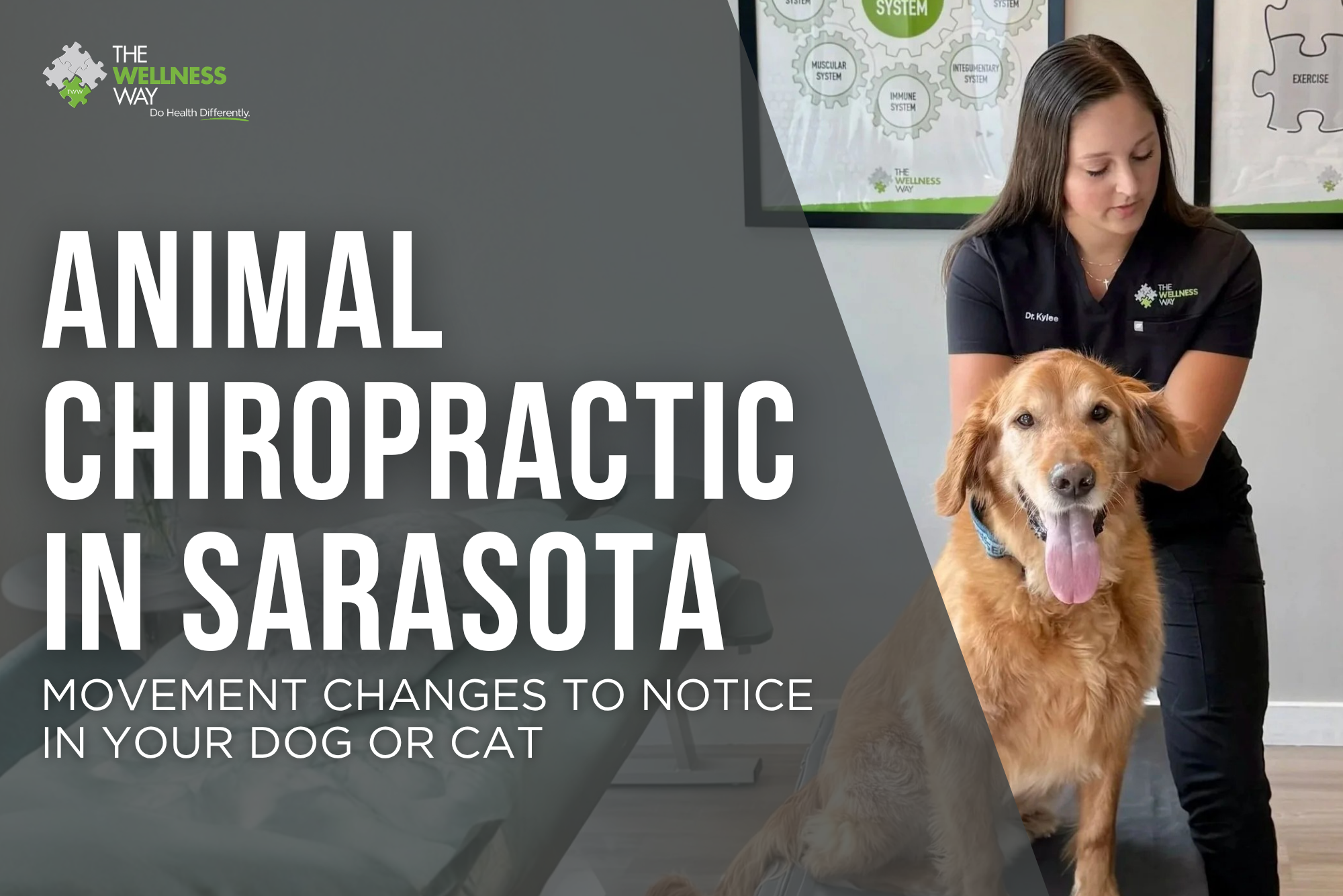
Your dog takes a little longer to get up from their favorite spot. Your cat hesitates before jumping onto the couch. During a familiar walk, your pet moves differently than you remember.
These everyday moments can leave you wondering whether your pet could use additional support. They can also raise questions about animal chiropractic and how it fits into your pet’s care.
Before exploring an appointment, it helps to notice what has changed. You do not need to figure out the cause. Start with the routines you already know best.
Getting Up and Settling Down
Watch how your pet moves between resting and being active. Are they taking longer to stand? Do they reposition several times before settling into a familiar spot?
One moment does not tell the whole story. What matters is whether you are noticing a new or recurring difference from their usual behavior.
Make a simple note of when it happens, such as after a nap or following an active afternoon. Specific observations give a provider more context than a general description like “moving differently.”
Stairs, Furniture, and Familiar Transitions
Everyday transitions are another place to notice changes. Your dog might pause before stepping into the car, or your cat may choose a lower resting place instead of their usual perch.
Look for differences in activities your pet already does:
Going up or down stairs.
Stepping into or out of the car.
Getting onto familiar furniture.
Moving between different surfaces around the house.
There is no need to encourage your pet to repeat a movement that appears uncomfortable. The goal is to notice their normal behavior, not test their limits.
Walks, Playtime, and Usual Activities
Your pet’s normal activity level gives you a useful point of comparison.
Perhaps your dog hangs back during a familiar walk or takes more breaks during play. Your cat may spend less time engaging with a favorite toy.
Rather than labeling the change, describe it. “She stops halfway through our usual route” is more helpful than guessing which part of her body is involved.
Also note when the change began and whether it happens consistently or only during certain activities.
Where Animal Chiropractic Fits
Animal chiropractic focuses on evaluating movement and joint function, with specific adjustments considered when appropriate for the individual animal.
The observations you make at home can help provide context during an evaluation. Your pet’s health history, usual activities, and physical findings also matter.
A hesitation on the stairs does not automatically mean your pet needs an adjustment. An individualized evaluation helps determine whether chiropractic care may have a supportive role and what recommendations are appropriate.
Animal chiropractic is complementary care, not a replacement for veterinary evaluation or other recommended care. New, persistent, sudden, or severe movement changes need veterinary guidance.
Animal Chiropractic for Dogs and Cats in Sarasota
If you are exploring animal chiropractic care for dogs and cats in Sarasota, The Wellness Way Sarasota offers in-person evaluations.
This gives you an opportunity to discuss what you have noticed at home and ask how chiropractic care may fit your pet’s individual needs.
Before reaching out, prepare a few details:
What looks different from your pet’s usual movement?
When did you first notice it?
Which activities bring out the change?
Are there any relevant health history or existing care recommendations?
You do not need a perfect description. A few clear examples can help make the conversation more useful.
Take the Next Step Toward an Individualized Evaluation
Noticing a change does not mean you need to have all the answers. It gives you a starting point for asking informed questions about your pet’s movement and care.
Curious whether animal chiropractic is a good fit for your pet? Explore animal chiropractic at The Wellness Way Sarasota and schedule a discovery call to discuss your pet’s needs before an in-person visit.
