The 4 Phases of the Menstrual Cycle: A Practical Guide to Understanding Your Hormones
Your menstrual cycle is more than the days you have your period. It is an ongoing pattern of hormonal changes that can influence bleeding, energy, mood, sleep, appetite, and how you feel throughout the month.
Learning the 4 phases of the menstrual cycle can help you recognize your own patterns, track changes, and feel more prepared to ask informed questions about your health. For women in Sarasota, Florida, who are looking for a clearer way to understand their cycle, this guide offers a simple starting point.
What Are the 4 Phases of the Menstrual Cycle?
The menstrual cycle begins on the first day of one period and ends on the first day of the next. While many people are taught that a “normal” cycle is 28 days, cycle length can vary. Adult menstrual cycles commonly range from 24 to 38 days.
The four menstrual cycle phases are:
Menstruation
Follicular phase
Ovulation
Luteal phase
Each phase involves different changes in the ovaries, uterine lining, and hormone levels. Together, they form one continuous cycle.
1. Menstruation: Your Period Begins
Menstruation starts on day one of bleeding. When pregnancy has not occurred, estrogen and progesterone levels fall, and the uterine lining sheds through menstrual bleeding.
This is the phase most people know best, but periods can look different from one person to another. Some people experience cramps, fatigue, bloating, headaches, digestive changes, or mood shifts. Others have few noticeable symptoms.
A simple way to learn more about your cycle is to track when bleeding begins, how long it lasts, and whether your flow or symptoms feel different from your usual pattern.
2. Follicular Phase: Your Body Prepares for Ovulation
The follicular phase begins on the first day of your period, so it overlaps with menstruation at the beginning of the cycle. During this phase, follicles in the ovaries begin to develop, and estrogen levels rise. One follicle will usually become dominant and release an egg during ovulation.
The length of the follicular phase can vary. This is one reason your period may not arrive on the same calendar day every month.
Some people notice changes in energy, mood, appetite, sleep, or cervical mucus during this stage. These observations may help you understand your personal cycle, but there is no universal way that everyone should feel.
3. Ovulation: An Egg Is Released
Ovulation occurs when an ovary releases an egg. In a 28-day example cycle, it is often described as happening around day 14. However, ovulation can happen earlier or later depending on a person’s cycle length and individual circumstances.
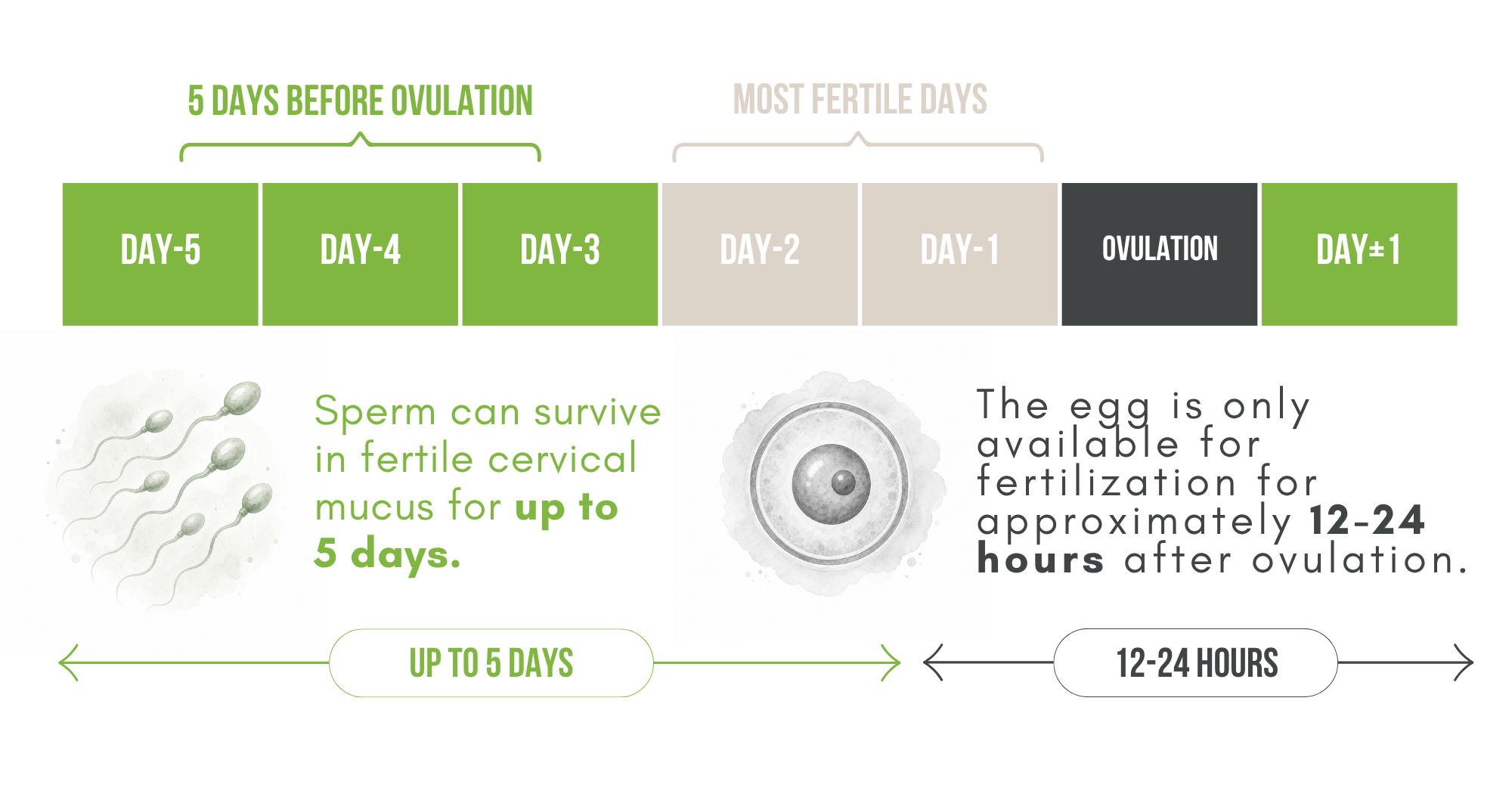
For people trying to conceive, avoiding pregnancy, or simply tracking their cycle, ovulation can be an important point of interest. A calendar app may offer estimates, but it cannot confirm exactly when ovulation occurs for every person.
If you have concerns about fertility, missed periods, or significant changes in your cycle, consider discussing them with an appropriately qualified healthcare professional.
4. Luteal Phase: The Time After Ovulation
The luteal phase begins after ovulation and ends when your next period starts. During this phase, progesterone rises as the body prepares for a possible pregnancy. If pregnancy does not occur, hormone levels fall and the next menstrual cycle begins.
This phase is when some people experience PMS symptoms, including bloating, breast tenderness, headaches, acne, sleep changes, low energy, food cravings, irritability, or mood changes.
PMS is common, but symptoms that are severe, disruptive, new, or changing should not be ignored. Tracking symptoms across a few cycles can help you identify patterns and prepare for a health conversation.
How to Track Your Menstrual Cycle
You do not need a complicated system to get started. A paper calendar, notes app, journal, or period-tracking app can help you record:
The first and last day of bleeding
Your cycle length
Changes in flow or spotting
Cramps, headaches, fatigue, or digestive symptoms
Mood and sleep patterns
Major changes in your routine, stress, travel, illness, or medications
Questions you want to ask at an appointment
Tracking cannot diagnose a hormone-related concern. But it can make it easier to notice changes and describe them clearly to a healthcare professional.
When Should You Ask About Period Changes?
A cycle does not have to be identical every month. However, it is important to speak with a healthcare professional if you notice bleeding between periods, bleeding after sex, bleeding after menopause, periods lasting longer than seven days, very heavy bleeding, severe pain, or a significant change in your usual pattern.
You may also want to seek guidance if your cycles are consistently shorter than 21 days, longer than 35 days, or become very irregular.
Seek emergency medical care if you are soaking through a pad or tampon every hour for more than two hours and also have chest pain, shortness of breath, dizziness, or lightheadedness.
Learn More at Our Free Virtual Hormone Masterclass
Learning the basics of your menstrual cycle is a helpful first step. But many women still have questions about PMS, irregular periods, fertility, birth control, hormone testing, perimenopause, and menopause.
During this educational masterclass, you will learn more about:
The four phases of the menstrual cycle and how to recognize your patterns
Common questions about PMS and irregular cycles
Birth control, fertility, and hormone-testing conversations
Nutrition and lifestyle topics that may support a broader health conversation
Perimenopause and menopause education
Whether you are in Sarasota, Florida, or joining virtually from elsewhere, this free event can help you build a stronger foundation for your hormone-health questions.
